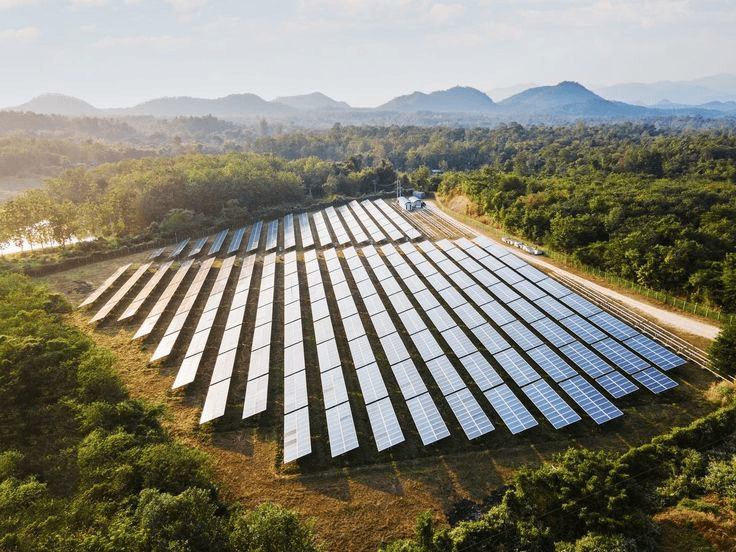
Reliable electricity is essential for schools to function smoothly. From classrooms and computer labs to dormitories and laboratories, every aspect of school life depends on consistent power. Unfortunately, frequent outages from Kenya Power can disrupt learning and daily operations.

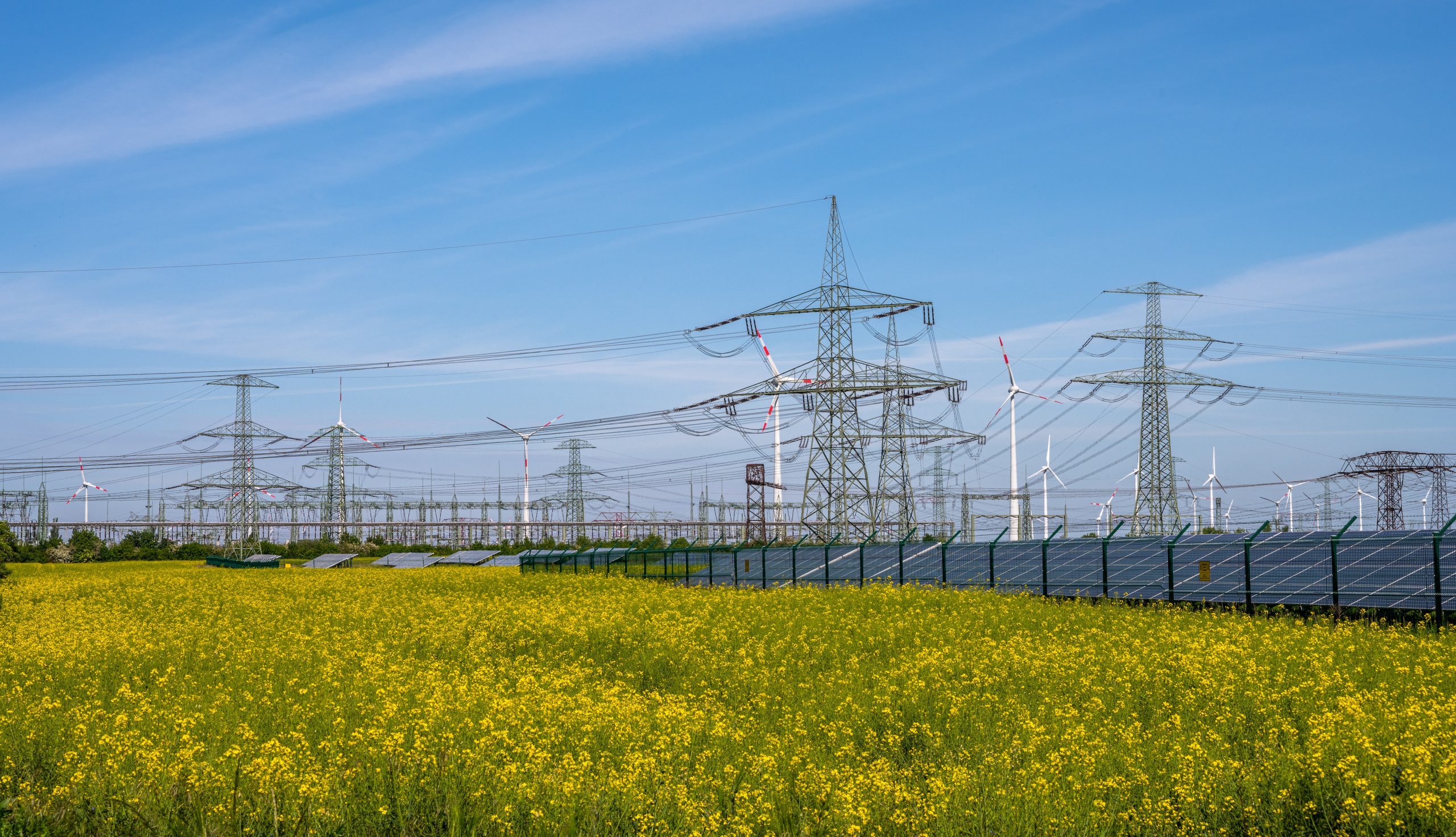
Many schools in Kenya are now turning to solar energy as a solution. Solar systems, especially when paired with battery storage, provide uninterrupted power throughout the day and night. This ensures that lighting, ICT equipment, security systems, and essential facilities remain operational even during grid outages.

Beyond reliability, solar systems allow schools to plan their energy usage better. Excess energy generated during the day can be stored for evening use, reducing dependency on costly generators and providing a cleaner, sustainable source of power.

At SmartCloud Solar, we design tailored solar PV and battery storage systems for institutions, ensuring that each school’s specific energy needs are met. The goal is to provide dependable power that supports uninterrupted learning and school operations.

As more schools adopt solar solutions, Kenya is moving closer to an education system powered by reliable, sustainable, and independent energy.

Electricity demand in Kenya is growing steadily, and in some sectors, faster than expected.

Urban expansion, new businesses, and increased use of electrical equipment are driving this growth. Energy needs now extend beyond lighting, encompassing everything from small offices to large institutions. Today, operations depend on computers, internet infrastructure, security systems, water pumps, and specialized equipment.

As more people and businesses connect to the grid through Kenya Power, the pressure on the system continues to increase. Such growth can lead to strain on infrastructure, occasional outages, and slower response to rising demand in some areas.

For institutions like schools and commercial facilities, this means planning energy use more carefully. What worked a few years ago may no longer be sufficient today.

This growing demand is also pushing organizations to explore alternative and supplementary energy solutions. Many are adopting energy-efficient systems, backup solutions, and hybrid setups to manage their consumption more effectively.

The key shift is awareness. Energy is no longer just a utility. It is a critical resource that needs planning, monitoring, and control.

As Kenya continues to develop, managing electricity demand will play a major role in ensuring consistent and reliable power for all sectors.

#Electricity #EnergyDemand #SmartEnergy #PowerPlanning

Across Kenya, businesses are shifting from traditional grid reliance to hybrid solar systems, and the reason is simple, control.

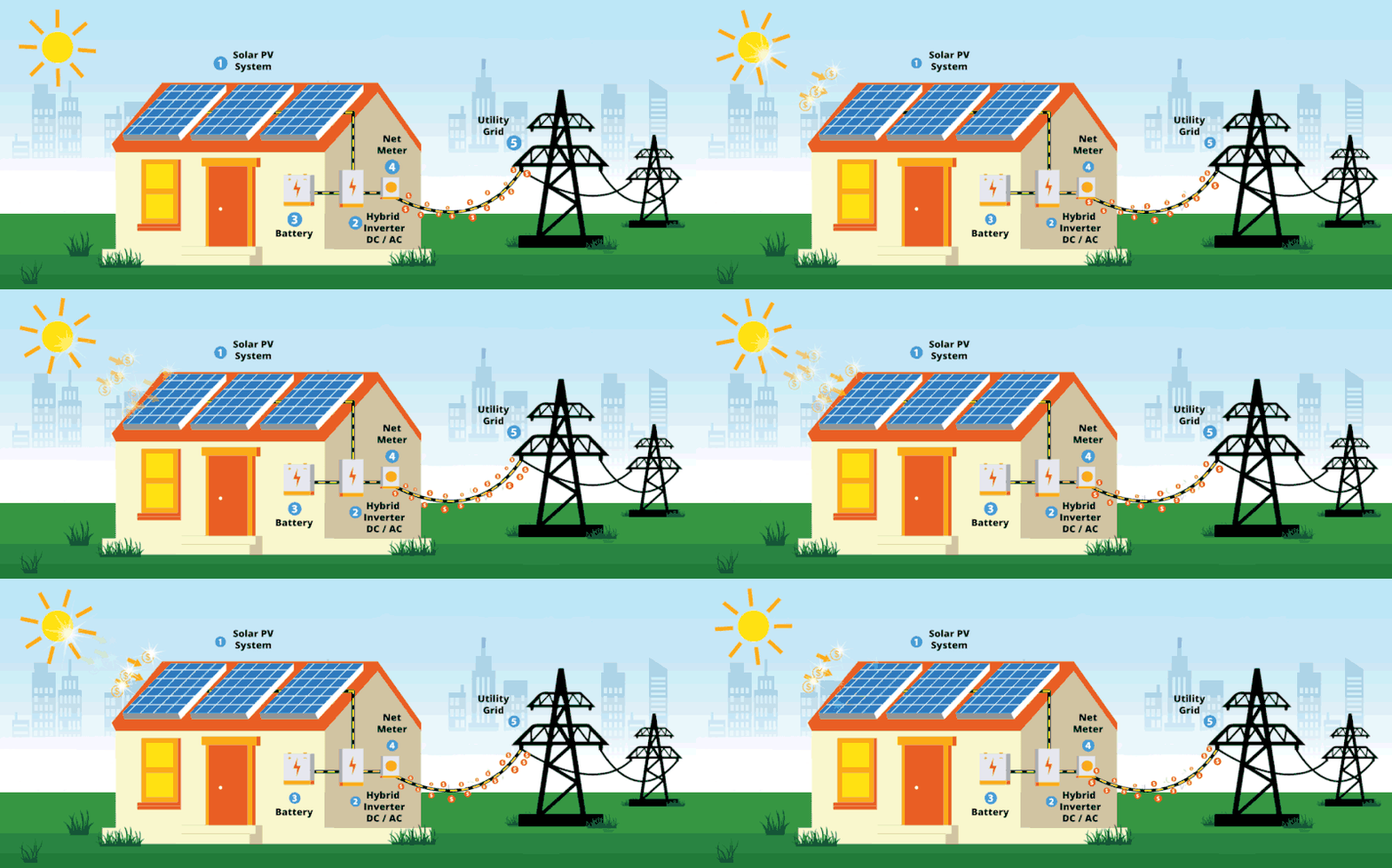
A hybrid system combines solar panels, batteries, and grid power into one smart setup. This allows businesses to use solar during the day, store excess energy, and automatically switch to backup power when outages occur.

With frequent interruptions from Kenya Power, many businesses are losing productivity, damaging equipment, or relying on expensive diesel generators. Hybrid solar eliminates that uncertainty by ensuring a stable and continuous power supply.

Beyond reliability, hybrid systems also optimize energy usage. Instead of wasting excess solar energy, it is stored and used when needed, reducing dependence on the grid and improving overall efficiency.

For industries, offices, and institutions, this is becoming the smarter way to manage power, not just generate it.

At SmartCloud Solar, we design hybrid systems that match real load demands, giving businesses energy independence and peace of mind.

The future of energy is not just solar. It is smart, flexible, and always on.

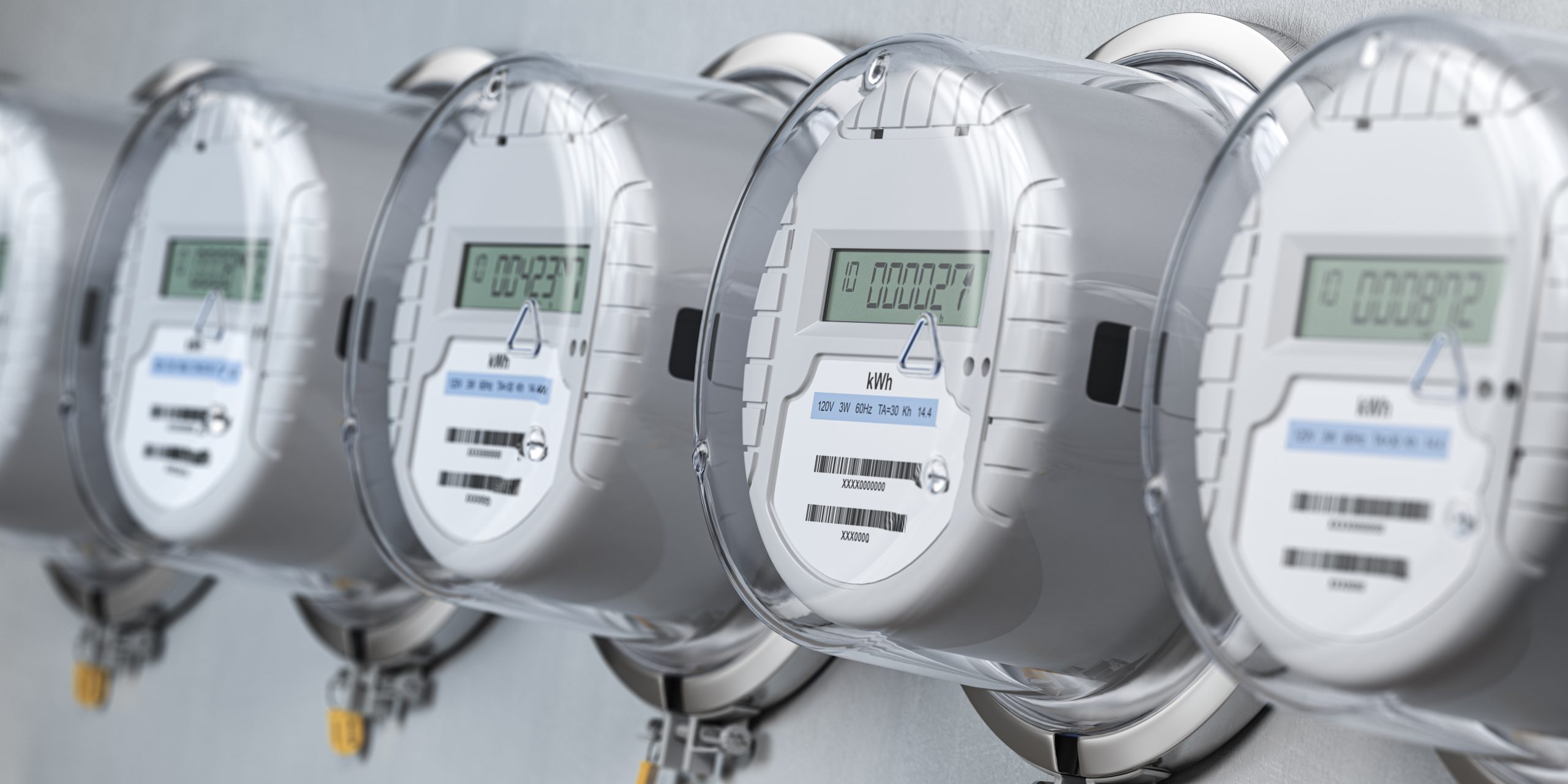
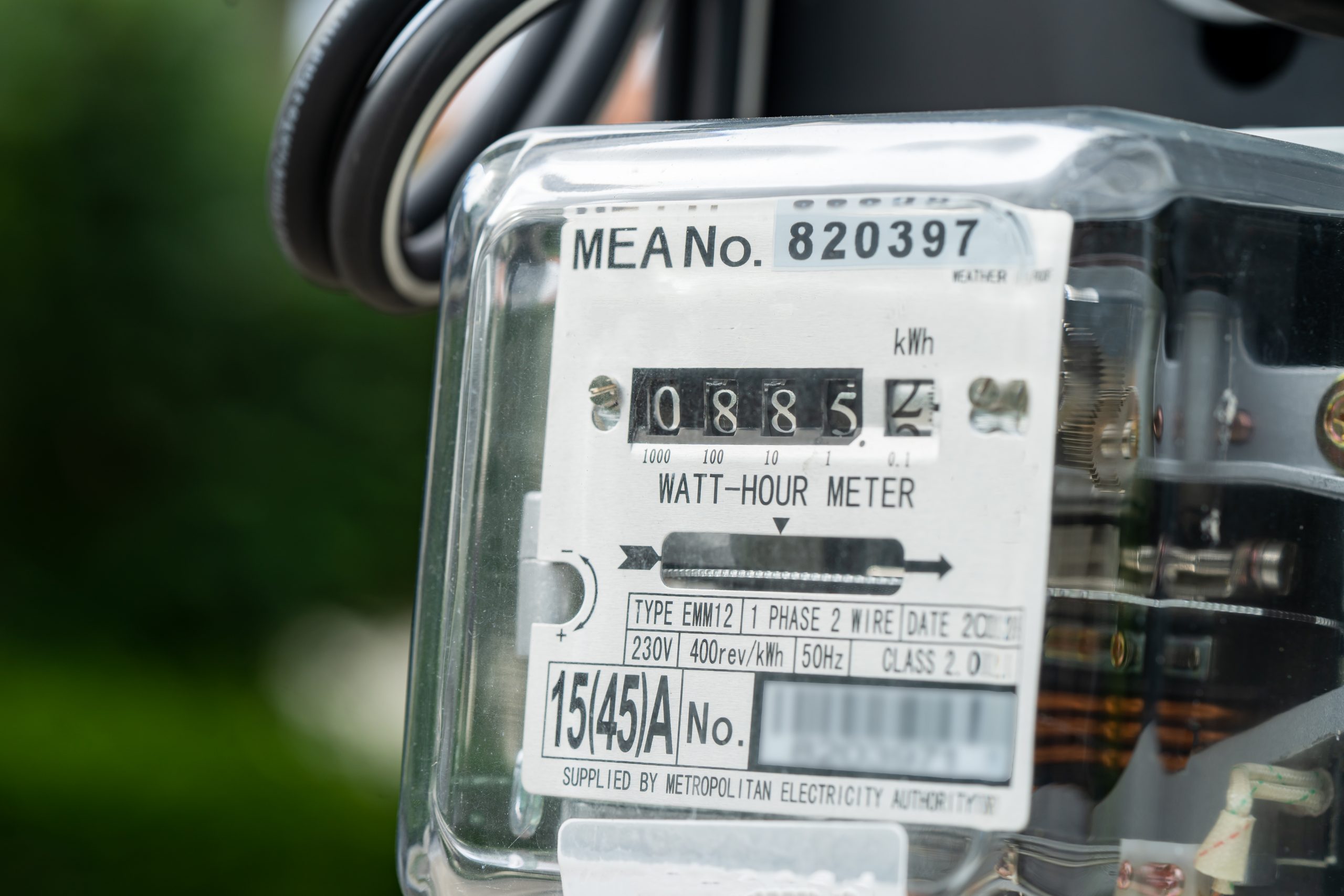
Rising electricity costs in Kenya are making KPLC tokens last shorter than ever, with new 2026 tariff adjustments pushing power prices to about KSh 28.59 per kWh. Through the Net Metering Regulations 2024, homeowners and businesses can now use solar energy systems to reduce their KPLC bills, earn billing credits for surplus power, and achieve faster ROI using high-efficiency solar panels and reliable battery storage.

Solar energy is no longer a future idea. It is already reshaping how homes and businesses power their daily operations. Here are 10 solar facts many people in Kenya still find surprising.

1. Solar works even on cloudy days: Panels do not need direct sunlight to generate power. They still produce electricity under cloud cover, just at a lower output.

2. Kenya has some of the best solar potential in the world: Most regions receive strong sunlight for most of the year, making solar systems highly efficient locally.

3. Solar can reduce electricity bills immediately: Savings start from the first month after installation, not years later.

4. Businesses benefit more than homes: Daytime operations align perfectly with solar production, which maximizes savings for commercial users.

5. Solar systems require minimal maintenance: Regular cleaning and basic checks are often enough to keep systems running efficiently for years.

6. Batteries are not always necessary: Grid-tied and hybrid systems can work without batteries, depending on usage and reliability needs.

7. Solar increases property value: Homes and commercial buildings with solar systems are more attractive to buyers and tenants.

8. Solar protects against power outages: With storage or hybrid systems, operations can continue even during blackouts.

9. Financing options make solar more accessible: Models like lease-to-own and power purchase agreements reduce upfront costs for businesses.

10. Solar is a long-term investment, not an expense: Most systems pay for themselves over time while continuing to generate free energy.

If you are considering solar for your home or business, now is a good time to start the conversation.

Solar power is often described as simple, but behind that simplicity is a well-engineered electrical process. Here is how energy from the sun is converted into usable electricity for homes and businesses.

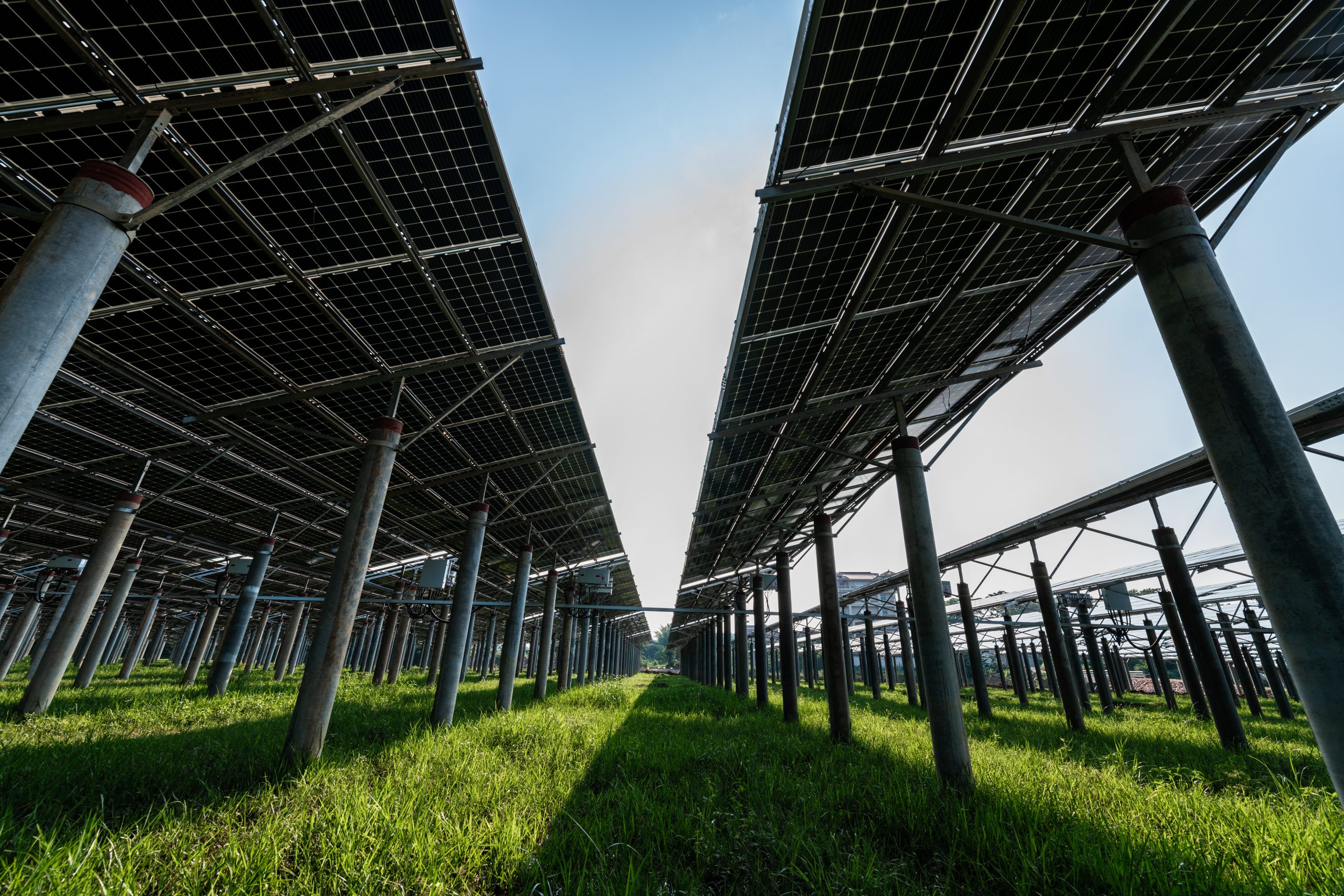
1. Solar irradiation and photovoltaic cells: Solar panels are made up of photovoltaic (PV) cells, commonly manufactured from crystalline silicon. When sunlight, known as solar irradiation, strikes the PV cell, photons transfer energy to electrons within the semiconductor material. This process is called the photovoltaic effect.

As electrons are energized, they begin to move, creating direct current (DC) electricity. The amount of DC power generated depends on solar intensity, panel orientation, temperature, and system design.

2. DC power collection and protection: The DC electricity generated by multiple panels is combined through DC cabling and junction boxes. At this stage, protective components such as DC isolators and surge protection devices are used to ensure system safety and prevent electrical faults.

3. Inversion from DC to AC power: Since most appliances and equipment operate on alternating current (AC), the DC power is sent to an inverter. The inverter converts DC into AC while synchronizing voltage and frequency with the grid or internal system requirements.

Modern inverters also perform maximum power point tracking (MPPT), which continuously adjusts operating conditions to extract the highest possible power from the panels throughout the day.

4. Power distribution and load prioritization: Once converted to AC, electricity is distributed through the electrical panel to supply loads in real time. Solar power is consumed first before drawing energy from the grid or batteries. This reduces grid dependence and lowers electricity costs.

5. Energy storage and grid interaction: In hybrid or off-grid systems, excess energy is stored in battery banks for use at night or during outages. In grid-tied systems, surplus power can be exported to the grid where regulations allow. Battery management systems ensure safe charging, discharging, and long battery life.

6. Monitoring, performance, and efficiency: Monitoring systems track power generation, consumption, and system health. This data helps detect faults early, optimize performance, and ensure the system delivers the expected return on investment.

At SmartCloud Solar, every system is designed based on load analysis, site conditions, and financial goals. The focus is not just on installing panels but on delivering stable power, measurable savings, and long-term reliability.

The sun is a free resource. A well-designed system turns it into dependable electricity every day.

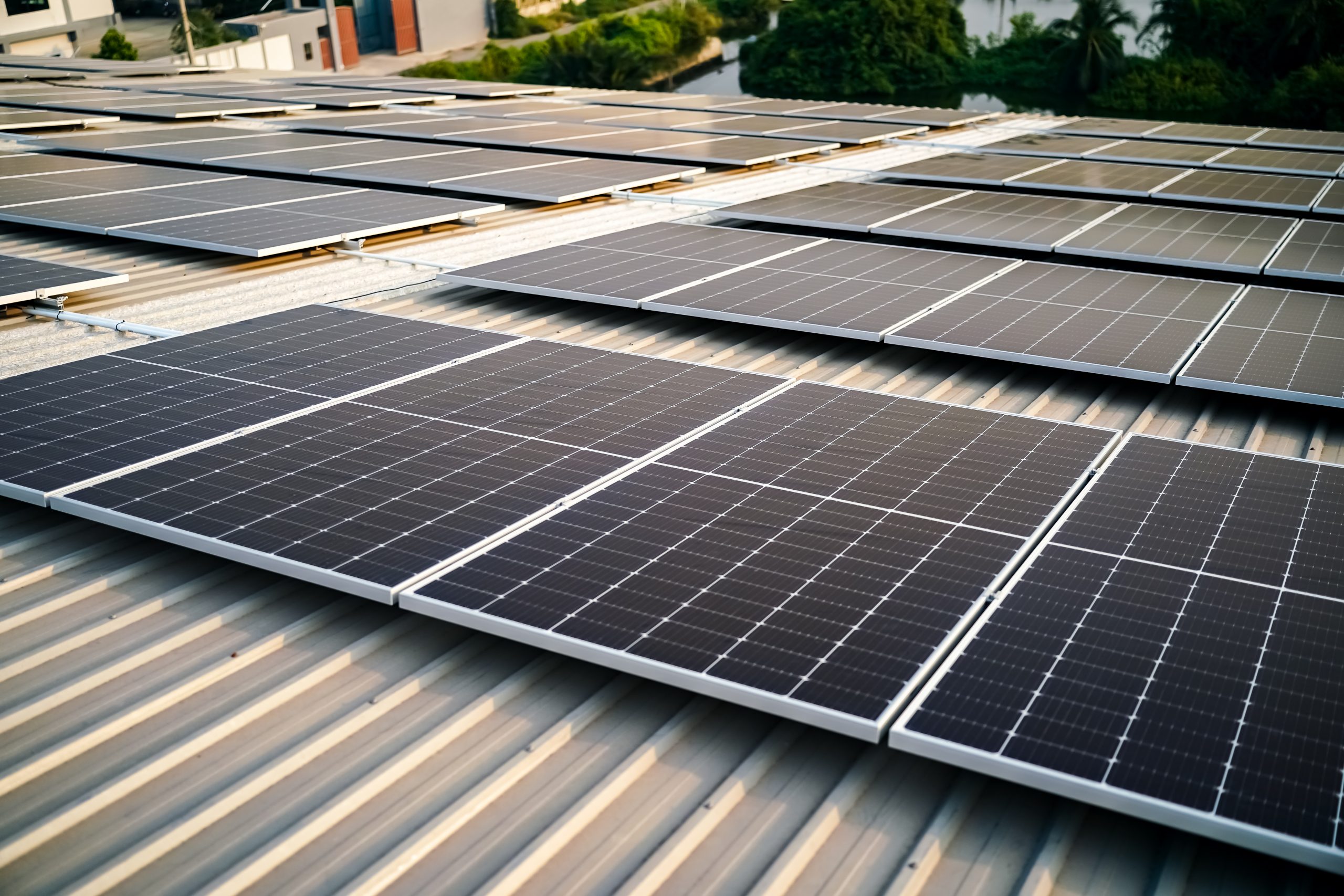
Kenya is facing a year where small choices add up. Scheduled grid maintenance and occasional blackouts are still part of the reality for many businesses and households, and regulators have adjusted tariffs recently, pushing the cost of grid power higher for consumers.

That shifts the math in favor of solar. Investment and adoption are accelerating across the region, and Kenya is a clear leader in commercial and residential solar uptake. At the same time, policy measures like VAT exemptions on solar equipment make it more affordable to start with smaller installations.

Practical steps that scale

  • Start with a targeted load audit, identify high-use devices, and add solar to those first.
  • Choose hybrid inverter systems that let you run essential loads during outages, then expand with batteries as budget allows.
  • Replace water heating or lighting with PV-backed alternatives; these are high-impact, low-disruption upgrades.
  • For businesses, explore financing: PPA or lease-to-own spreads cost and speeds payback, making larger systems attainable sooner.

Why it Works

Small, staged installs reduce upfront cost and risk, while immediately cutting bills and exposure to tariff swings. As systems grow, savings compound and resilience improves, protecting revenue for retail outlets, cold chains, and offices that cannot afford downtime.

If you run a business or manage a property in Kenya, start with the one-step change you can afford this quarter. At Smart Cloud Solar, we assess loads, model paybacks, and offer installation plus financing options, so small steps lead to big, measurable savings.

Want a quick savings estimate for your site?

Energy costs feel unpredictable. Grids are less reliable. Budgets are tight. For many large enterprises, energy is no longer just an expense, it is a strategic risk. As leadership teams plan for 2026, the real question is how to gain more control over cost, resilience, and long-term predictability.
Solar is no longer only about sustainability. It has matured into an infrastructure strategy that helps protect margins, stabilize budgets, and reduce exposure to price volatility.
Here are five practical solar strategies forward-looking enterprises are putting in place today: