The Reality of Electricity Costs and KPLC Tokens in 2026:
If it feels like your electricity tokens are disappearing faster than ever, the data backs you up.
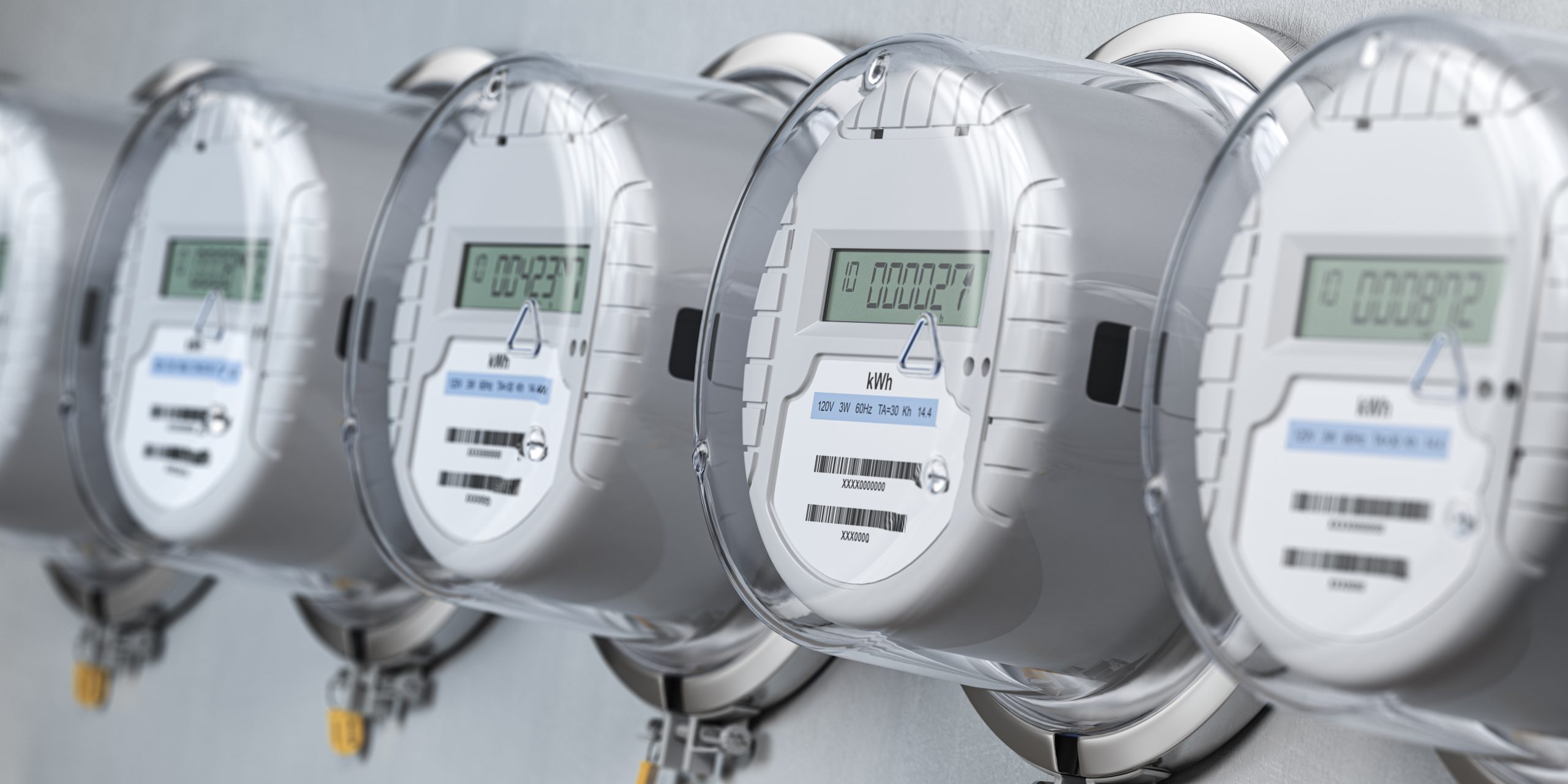
Many Kenyans are feeling the pressure of rising electricity bills. For instance, data from late 2025 showed that the value of KPLC tokens dropped by 22% compared to the previous year. Consequently, a KSh 100 expenditure now buys significantly fewer units than it did just 18 months ago.
As of January 2026, new tariff adjustments have officially taken effect. These changes include a Fuel Energy Cost Charge (FEC) of KSh 3.26 per unit and various other regulatory levies. As a result, the total cost of electricity for most consumers has climbed to approximately KSh 28.59 per kWh. Therefore, grid reliance has become a major financial burden for both homeowners and businesses across the country.
For Kenyan businesses, energy is no longer just a “utility bill”—it is a direct threat to your profit margin.
How Net Metering Regulations 2024 Change the Game
Fortunately, the regulatory landscape has evolved to favor the consumer. Under the Energy (Net-Metering) Regulations 2024, Kenyan households and businesses can finally feed surplus solar power back into the national grid in exchange for billing credits.
This means you can earn credits for the energy you do not use during the day.
However, there are specific limits you should know:
- Domestic Single-Phase: You can install up to 4 kW.
- Domestic Three-Phase: You can install up to 10 kW.
- Commercial/Industrial: The limit is set at 1 MW.
In addition to these limits, the law ensures that the application process is fair and non-discriminatory. Because of these rules, solar energy is no longer just a backup plan. Instead, it is now a powerful way to reduce your monthly KPLC bill to almost zero.
Understanding Your Potential Savings
Many people wonder if the initial cost is worth it. To answer this, let’s look at real-world examples from Nairobi. For example, a homeowner in Kileleshwa saw their monthly bill drop from KSh 9,200 to just KSh 650 after installing a 5kW system.
Furthermore, the return on investment (ROI) is becoming faster. Most commercial solar systems in Kenya now pay for themselves within 3 to 5 years. With a 30-year warranty on solar panels, you could potentially benefit from over 20 years of free electricity. Consequently, the money you save can be reinvested into your business or family needs.
Why Quality Hardware Matters
Specifically, the type of technology you choose will determine your long-term success. Smartcloud Solar uses high-efficiency N-type monocrystalline panels. These panels offer 19–22% efficiency, which is much higher than older models.
Similarly, our storage solutions focus on safety and longevity. We use Lithium Iron Phosphate (LFP) batteries. These batteries can handle over 6,000 cycles. In comparison, traditional lead-acid batteries fail much sooner. Therefore, choosing the right hardware ensures your system remains reliable for over a decade.
The Smartcloud Solar Process
Moving to solar may seem complex, but we make it simple. First, we conduct a free energy audit to understand your needs. Second, our engineers design a system that fits your specific roof and load.
Moreover, we handle all the paperwork for you. This includes:
- EPRA Licensing: Ensuring your system meets all safety standards.
- Net Metering Applications: Setting up your bi-directional meter with KPLC.
- Digital Monitoring: Connecting your system to the cloud so you can track savings on your phone.
Ultimately, the choice is yours. You can continue to pay rising grid tariffs, or you can invest in a predictable future. Smartcloud Solar is here to help you navigate this transition. By switching to solar today, you protect your budget from future price hikes and support a greener Kenya.
Don’t let power decide your profit margin for 2026. A commercial solar system typically pays for itself in 3–5 years, providing over 20 years of essentially free electricity.
Ready to fix your energy costs for the next 25 years?