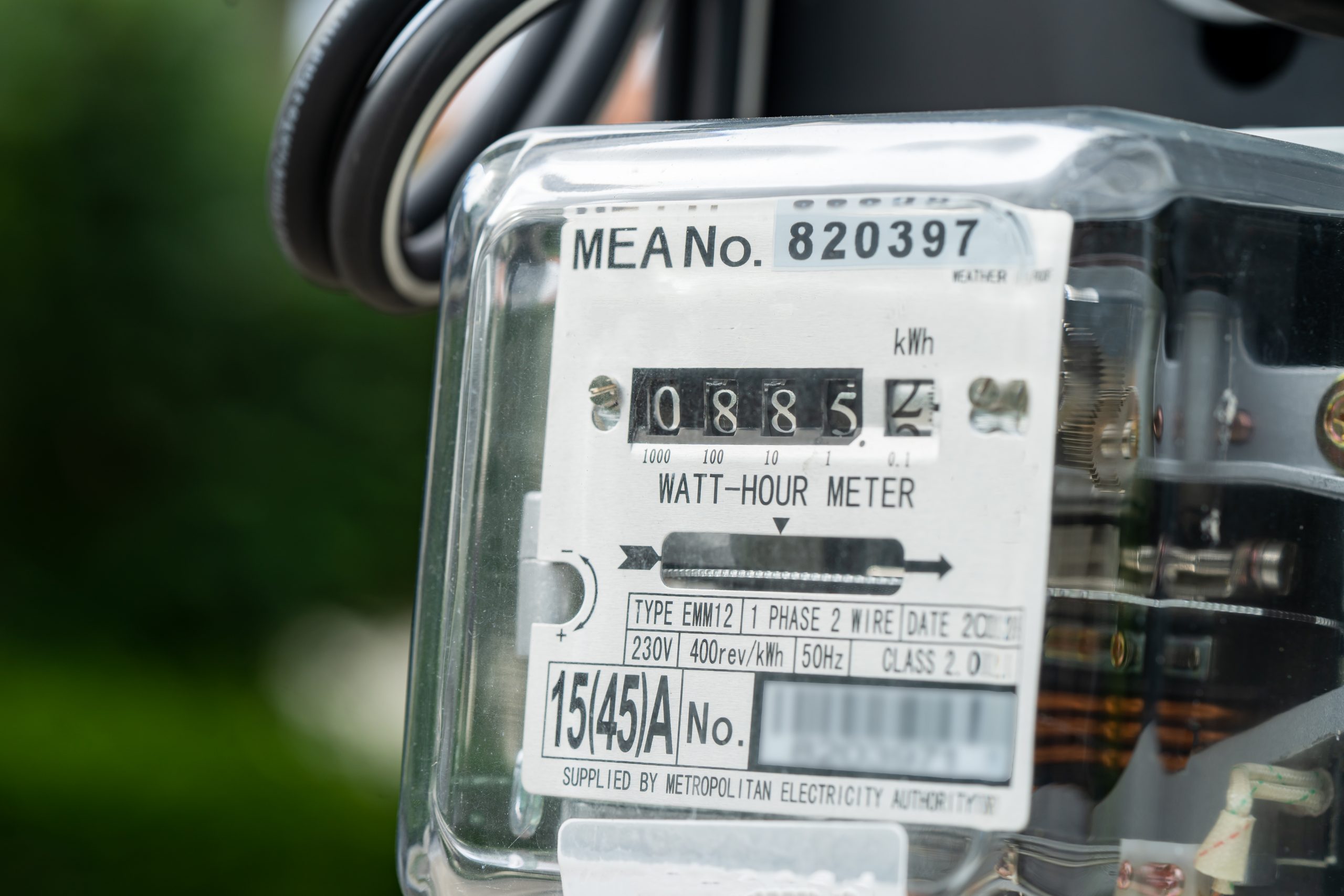
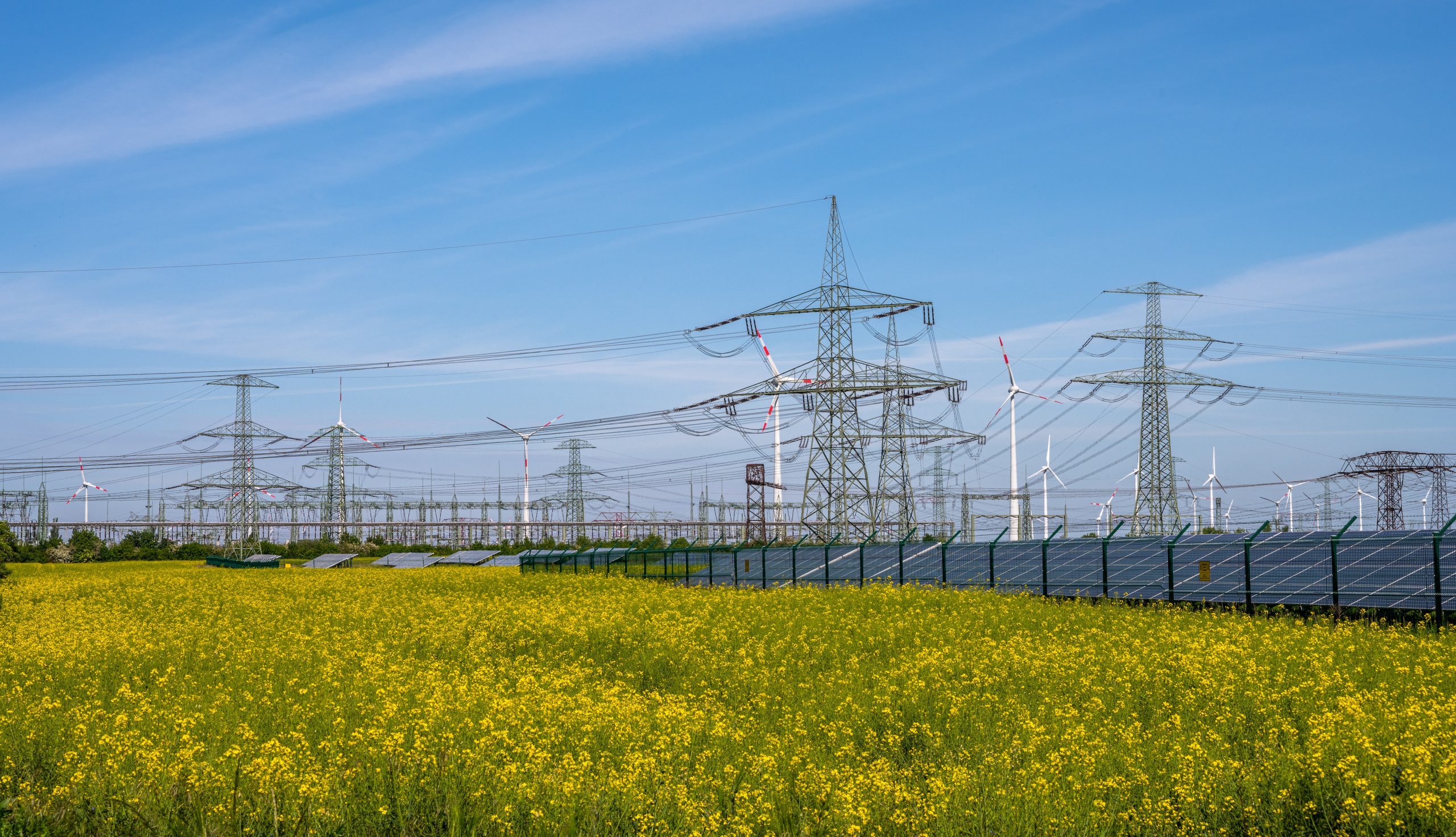
Electricity demand in Kenya is growing steadily, and in some sectors, faster than expected.

Urban expansion, new businesses, and increased use of electrical equipment are driving this growth. Energy needs now extend beyond lighting, encompassing everything from small offices to large institutions. Today, operations depend on computers, internet infrastructure, security systems, water pumps, and specialized equipment.

As more people and businesses connect to the grid through Kenya Power, the pressure on the system continues to increase. Such growth can lead to strain on infrastructure, occasional outages, and slower response to rising demand in some areas.

For institutions like schools and commercial facilities, this means planning energy use more carefully. What worked a few years ago may no longer be sufficient today.

This growing demand is also pushing organizations to explore alternative and supplementary energy solutions. Many are adopting energy-efficient systems, backup solutions, and hybrid setups to manage their consumption more effectively.

The key shift is awareness. Energy is no longer just a utility. It is a critical resource that needs planning, monitoring, and control.

As Kenya continues to develop, managing electricity demand will play a major role in ensuring consistent and reliable power for all sectors.

#Electricity #EnergyDemand #SmartEnergy #PowerPlanning
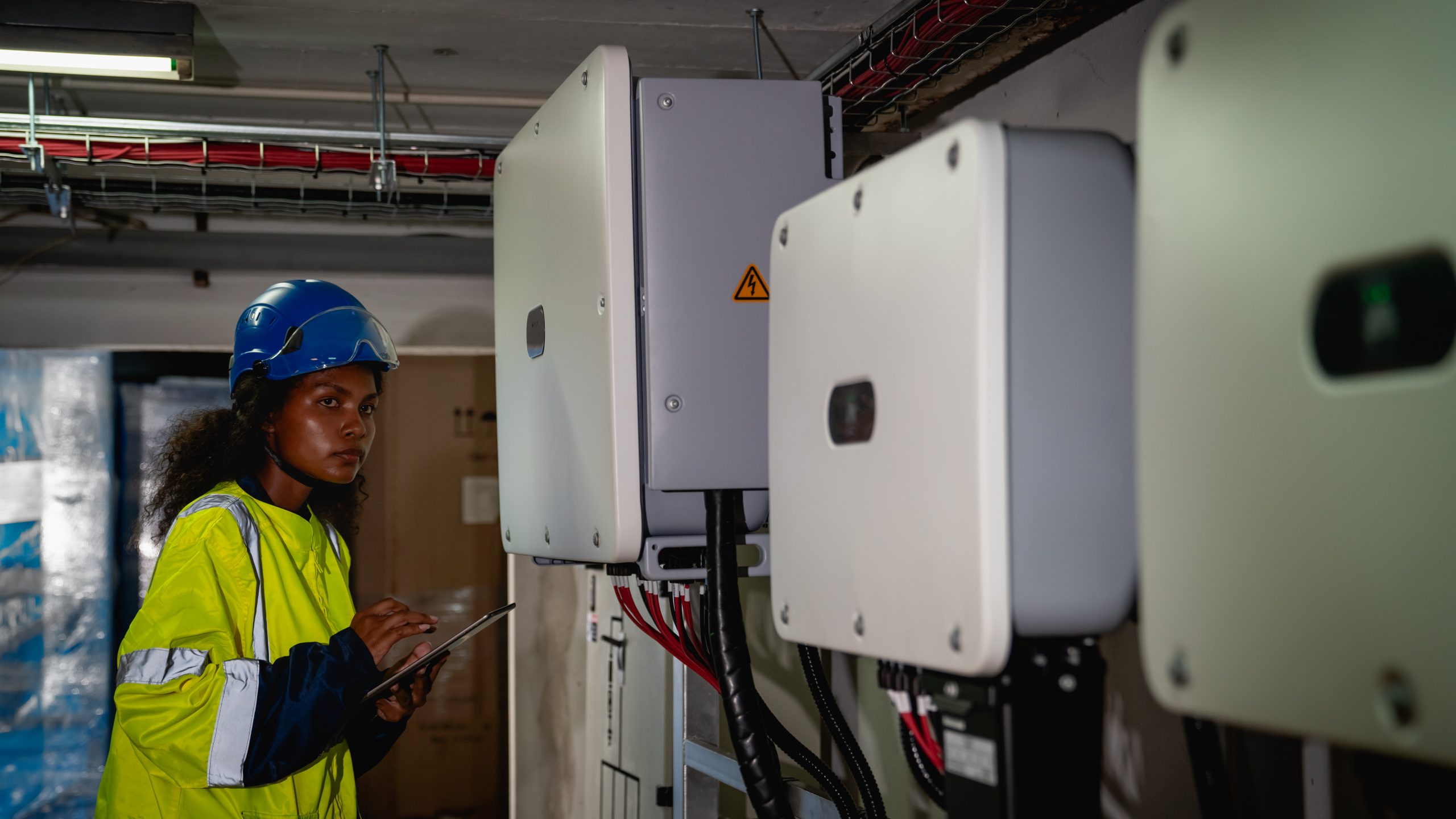
Most businesses know how much they pay for electricity. Few actually know how they use it.

Across Kenya, organizations connected to Kenya Power receive monthly bills with total consumption. But that number alone does not show where energy is going, what is wasting power, or which systems are inefficient.

Energy monitoring is changing that.

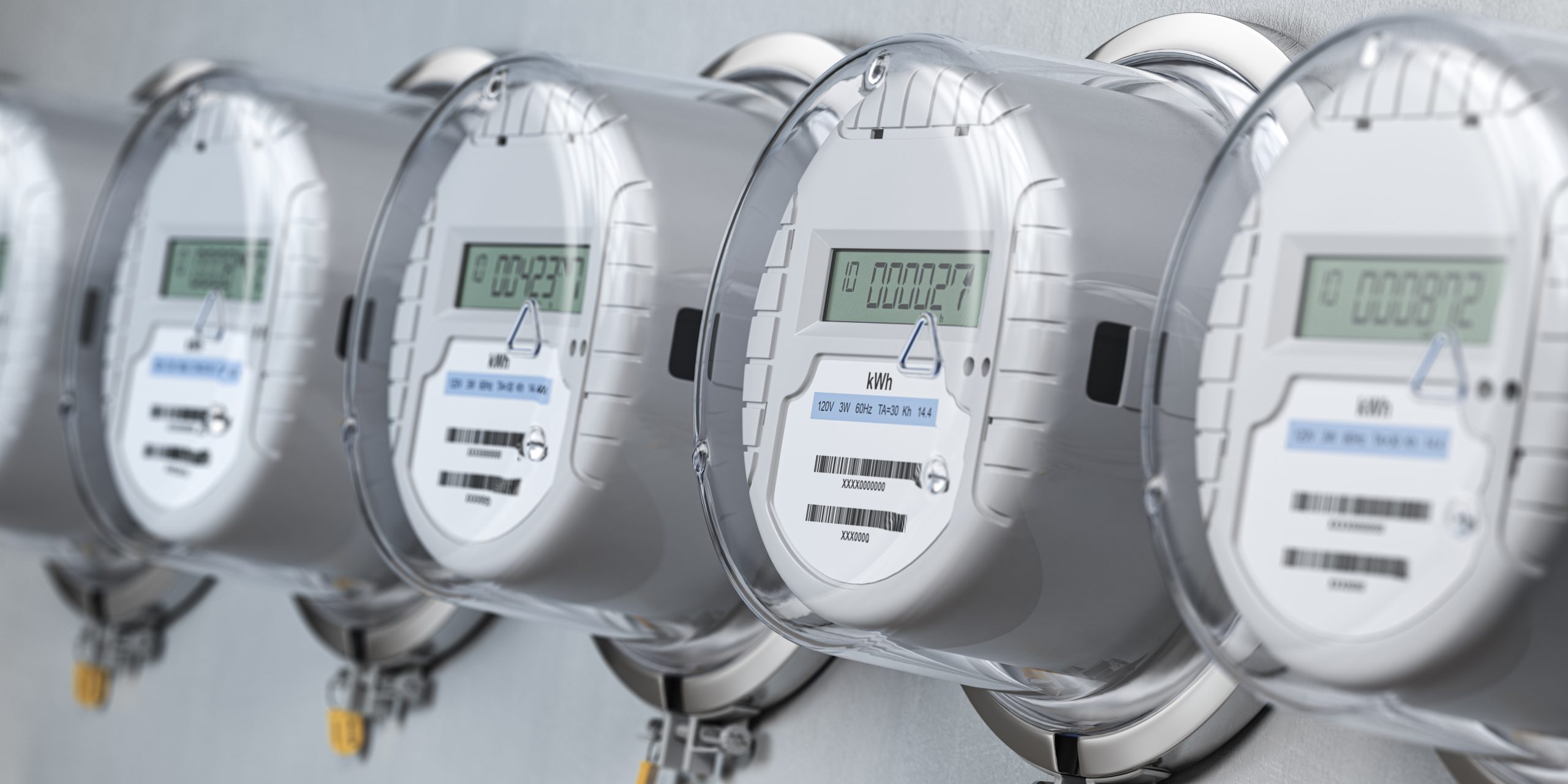
With the right tools, businesses can track electricity usage in real time. They can see which equipment consumes the most power, identify peak usage hours, and detect unusual spikes that may indicate faults or inefficiencies.

For example, a school may discover that most of its energy is used at night due to security lighting and dormitories. A business might find that certain machines consume more power than expected. These insights allow for better planning and smarter energy decisions.

Energy monitoring also plays a key role in optimizing solar systems. Instead of guessing system size, data allows for accurate design based on actual load patterns.

The result is simple. Less waste, better efficiency, and more control.

As energy costs and demand continue to rise, businesses that understand their consumption will always have an advantage over those that do not.

Across Kenya, businesses are shifting from traditional grid reliance to hybrid solar systems, and the reason is simple, control.

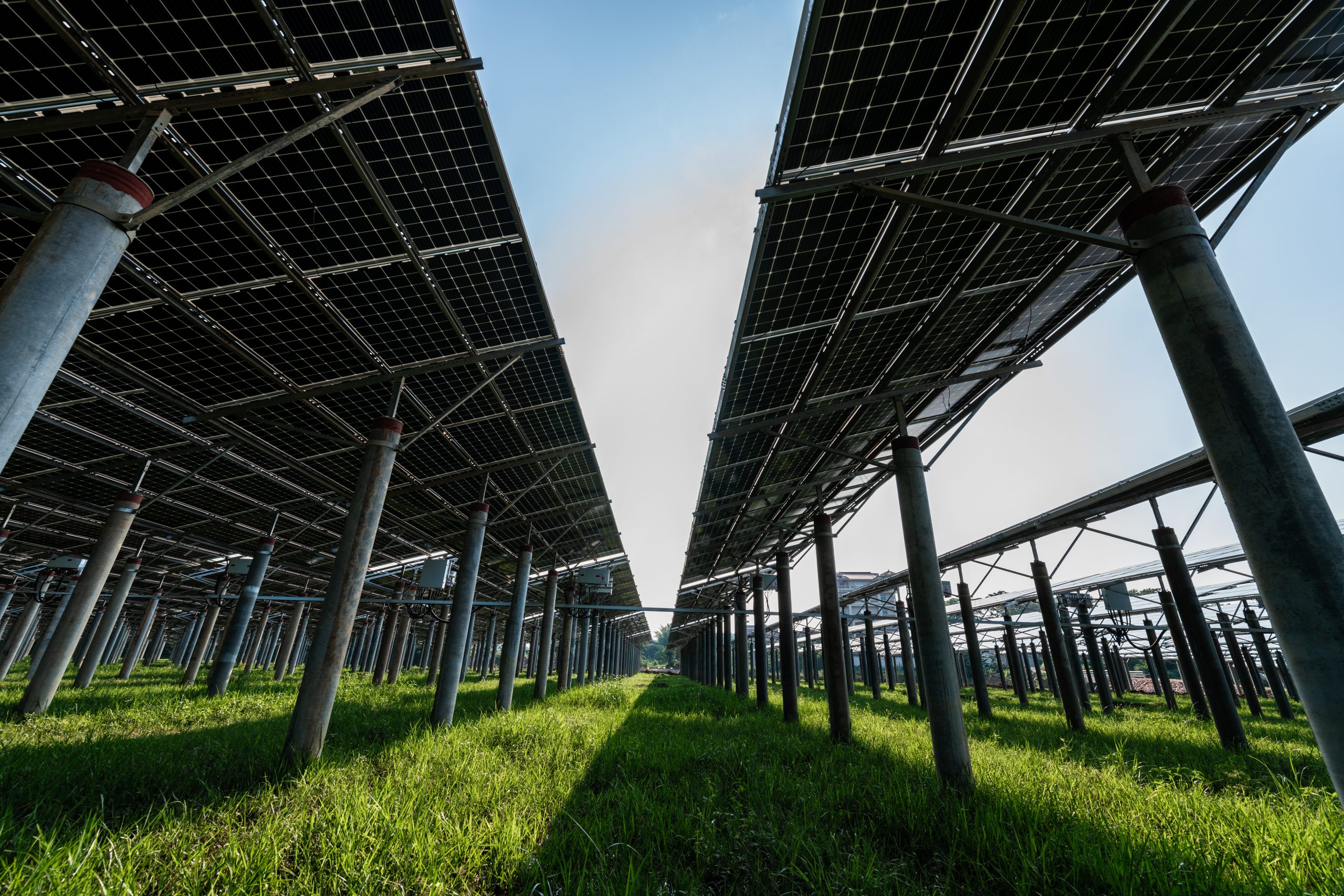
A hybrid system combines solar panels, batteries, and grid power into one smart setup. This allows businesses to use solar during the day, store excess energy, and automatically switch to backup power when outages occur.

With frequent interruptions from Kenya Power, many businesses are losing productivity, damaging equipment, or relying on expensive diesel generators. Hybrid solar eliminates that uncertainty by ensuring a stable and continuous power supply.

Beyond reliability, hybrid systems also optimize energy usage. Instead of wasting excess solar energy, it is stored and used when needed, reducing dependence on the grid and improving overall efficiency.

For industries, offices, and institutions, this is becoming the smarter way to manage power, not just generate it.

At SmartCloud Solar, we design hybrid systems that match real load demands, giving businesses energy independence and peace of mind.

The future of energy is not just solar. It is smart, flexible, and always on.

Power reliability is becoming one of the biggest energy concerns for businesses and institutions in Kenya. As electricity demand grows and grid interruptions continue to affect operations, many organizations are now looking beyond solar panels alone. The real shift is toward solar systems combined with battery storage.

Battery storage allows solar energy generated during the day to be stored and used when it is needed most, especially during evening hours or grid outages. For institutions such as schools, hospitals, and commercial facilities, this means operations can continue without disruption.

Many facilities that rely solely on grid power from Kenya Power experience downtime during outages. Critical systems such as lighting, ICT infrastructure, security systems, and essential equipment maintain power with a hybrid solar system that incorporates batteries.

Battery technology has also improved significantly recently. Modern lithium battery systems offer longer lifespans, faster charging, and smarter energy management. This allows solar installations to provide both efficiency and resilience.

For organizations planning long-term energy strategies, solar combined with battery storage is no longer just an alternative. It is becoming the standard approach for reliable and controlled energy supply.

At SmartCloud Solar, we design solar PV and battery storage systems tailored to the real energy needs of businesses and institutions. The goal is simple. Deliver dependable power that keeps operations running regardless of grid conditions.

As Kenya continues its transition toward renewable energy, solutions that combine solar generation with intelligent storage will play a key role in building a more resilient energy future.

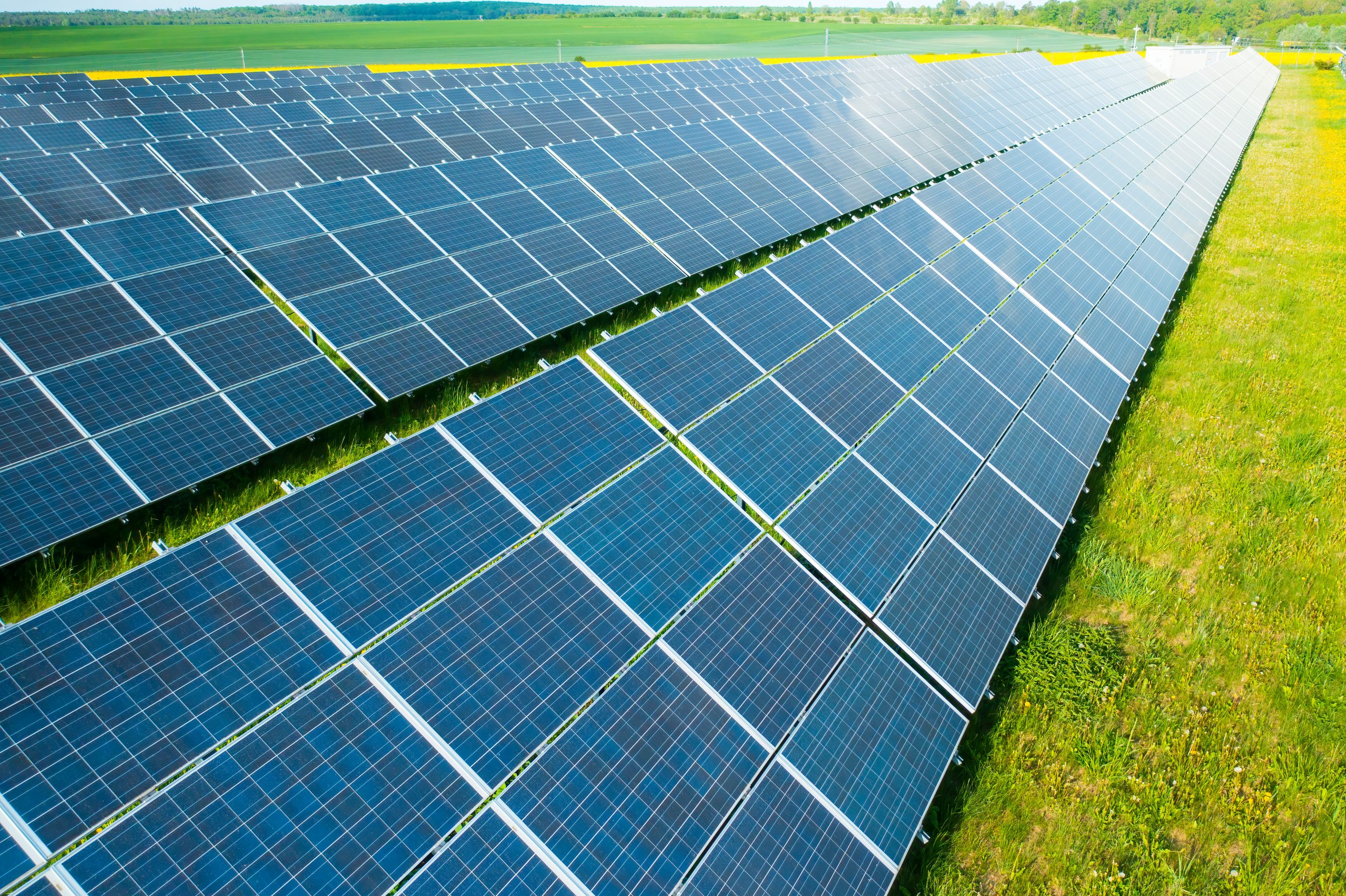
President William Ruto has launched a KSh45 billion national programme to solar power more than 3,000 public schools across Kenya. The initiative targets about 780 MW of combined solar capacity, making it one of the largest school-based clean energy rollouts in Africa.

The programme aims to eliminate reliance on firewood and reduce electricity costs in schools by up to 70 to 100 percent. Solar systems will power lighting, kitchens, ICT labs, and water heating. Schools will also be able to sell excess power to the grid, creating an additional income stream.

The Ministries of Education and Energy are leading the rollout, with financing support from Kenya Commercial Bank through concessional green loans. A pilot phase covering 266 schools has already been completed, setting the stage for full nationwide implementation within a year.

Beyond cost savings, the programme supports Kenya’s climate goals by cutting carbon emissions and reducing deforestation caused by firewood use in schools. It also strengthens digital learning by ensuring reliable power for computers and modern classrooms.

If fully implemented on schedule, the project will reshape how public schools consume energy and position Kenya as a regional leader in clean energy adoption within the education sector.

Solar energy is no longer just an alternative power option. In Kenya, it is quickly becoming a strategic business decision for homes, farms, and commercial facilities.

With rising electricity costs and frequent power interruptions, more businesses are turning to solar power for stability and long-term savings.

Lower Energy Costs and Predictable Bills

One of the biggest reasons businesses adopt solar energy is cost control. Solar systems reduce reliance on the grid and help lock in energy costs for years. After installation, operating costs are minimal, making solar a reliable hedge against rising electricity tariffs.

Reliable Power for Business Continuity

Power outages can cause major losses, especially for farms, cold storage facilities, offices, and manufacturing plants. Solar systems paired with batteries provide uninterrupted power, keeping operations running even during blackouts.

Sustainability and Brand Value

Using solar energy helps businesses reduce their carbon footprint and align with sustainability goals. Customers, investors, and partners increasingly prefer brands that demonstrate environmental responsibility.

Government Support and High Solar Potential

Kenya has high solar irradiation throughout the year, making solar systems highly efficient. Incentives such as tax exemptions on solar equipment further reduce installation costs, accelerating adoption.

Final Thoughts

Solar energy is no longer a future concept. It is a practical, cost-effective, and reliable power solution for Kenyan businesses today. Companies that invest early gain energy independence, long term savings, and a competitive edge.

If your business depends on consistent power, solar is not just an option, it is a smart investment.

Rising electricity costs in Kenya are making KPLC tokens last shorter than ever, with new 2026 tariff adjustments pushing power prices to about KSh 28.59 per kWh. Through the Net Metering Regulations 2024, homeowners and businesses can now use solar energy systems to reduce their KPLC bills, earn billing credits for surplus power, and achieve faster ROI using high-efficiency solar panels and reliable battery storage.

Solar energy is no longer a future idea. It is already reshaping how homes and businesses power their daily operations. Here are 10 solar facts many people in Kenya still find surprising.

1. Solar works even on cloudy days: Panels do not need direct sunlight to generate power. They still produce electricity under cloud cover, just at a lower output.

2. Kenya has some of the best solar potential in the world: Most regions receive strong sunlight for most of the year, making solar systems highly efficient locally.

3. Solar can reduce electricity bills immediately: Savings start from the first month after installation, not years later.

4. Businesses benefit more than homes: Daytime operations align perfectly with solar production, which maximizes savings for commercial users.

5. Solar systems require minimal maintenance: Regular cleaning and basic checks are often enough to keep systems running efficiently for years.

6. Batteries are not always necessary: Grid-tied and hybrid systems can work without batteries, depending on usage and reliability needs.

7. Solar increases property value: Homes and commercial buildings with solar systems are more attractive to buyers and tenants.

8. Solar protects against power outages: With storage or hybrid systems, operations can continue even during blackouts.

9. Financing options make solar more accessible: Models like lease-to-own and power purchase agreements reduce upfront costs for businesses.

10. Solar is a long-term investment, not an expense: Most systems pay for themselves over time while continuing to generate free energy.

If you are considering solar for your home or business, now is a good time to start the conversation.