
Grid Trends and Net Metering in Kenya: What it Means for You
Kenya’s net metering rules turn rooftop solar from a private backup into a grid resource you can bank with credits. The Energy and Petroleum Regulatory Authority (EPRA) published the net-metering regulations to let consumers export excess renewable power while protecting grid stability and Kenya Power’s financial position.
This guide explains the rules, how billing works, who can join, and practical steps to export safely.
What is net metering in plain terms?
Net metering lets you offset the electricity you buy from the grid with the clean power your rooftop or on-site generator produces. When your system produces more than you use, the excess is sent to the grid and credited to your bill. When you draw more than you generate, those credits reduce what you pay. The new regulations formalize this for Kenya.
Key rules you must know (short list)
- Eligible systems: Renewables under 1 MW (domestic, commercial, and industrial).
- Domestic caps: 4 kW for single-phase customers, 10 kW for three-phase customers. Commercial/industrial customers may go up to 1 MW but are capped at prior 12-month peak demand.
- Aggregate cap: Initial national cap of 100 MW across net-metering systems, reviewed periodically.
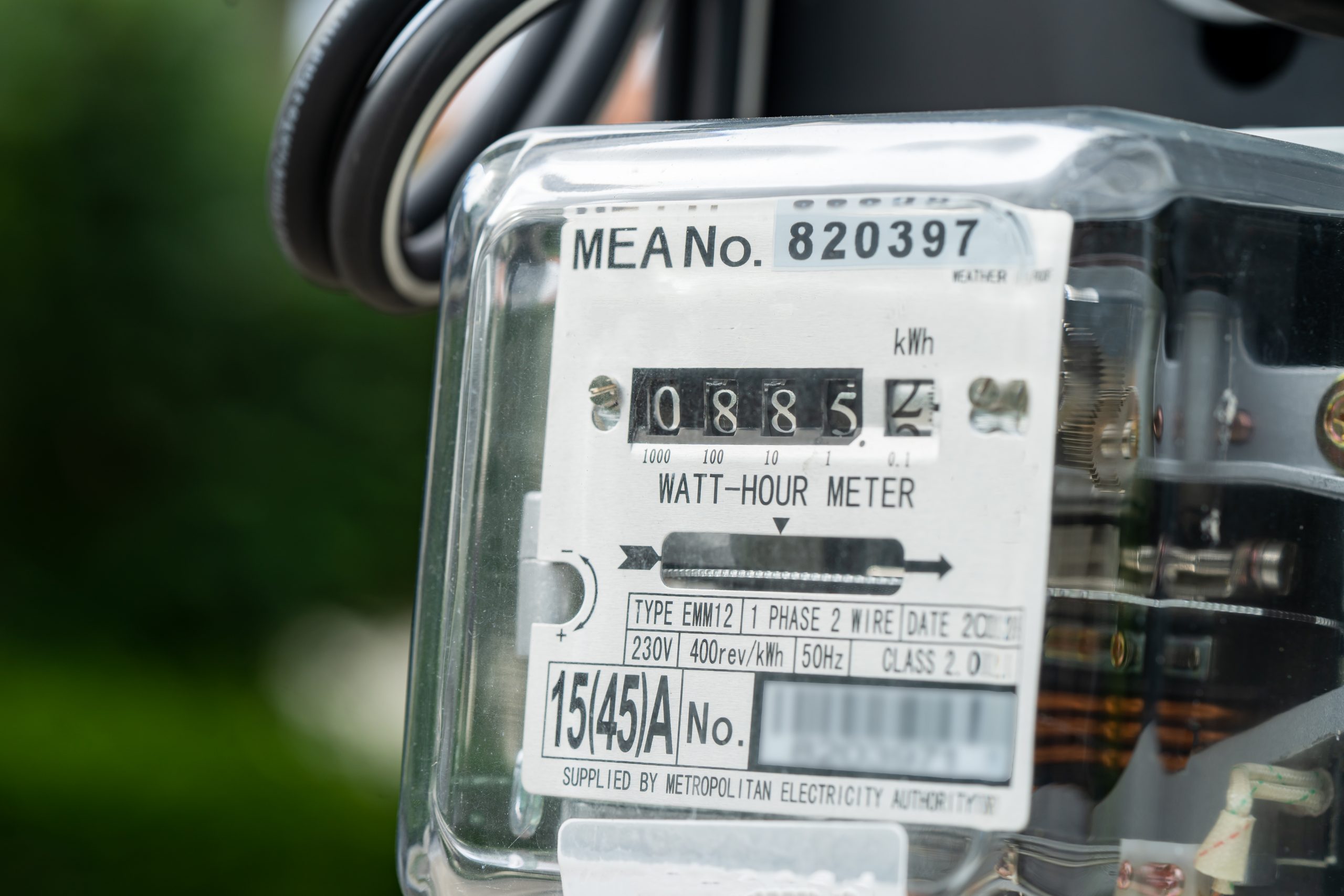
- Metering and tech: Meters must be smart, bi-directional, and time-of-use capable; installations must be done by authorized individuals and meet grid code standards. You pay metering and interconnection costs.
- Credits and billing: Exported units earn a credit equal to 50% of the retail tariff per kWh, credited monthly. Unused credits are carried forward but forfeited at the end of the licensee’s financial year. No cash payouts.
How billing and credits actually work
Every month, the licensee issues a single bill that shows:
- Units imported from the grid at the approved retail tariff
- Units exported to the grid shown as credited units, where each exported kWh is credited at 50% of the retail price
- The net position determines whether you owe money or have a credit. If credits exceed imports, they carry forward to the next month, but any remaining credits expire at the end of the licensee’s financial year
Practical effect: Exports reduce bills, but at half the retail price and with a year-end cutoff, so sizing and storage choices matter.
Application, timelines, and paperwork
- Apply to your licensee using the prescribed Form 001. Include ID, account number, site details, and for systems over 10 kW, a feasibility study prepared by an engineer.
- The licensee has up to 60 days to decide. If approved, you sign a net-metering agreement valid for five years. You then have six months to install and commission metering, or the application is cancelled.
- The licensee must publish its application process and any local technical limits on its website. Expect additional local requirements based on feeder capacity or stability studies.
Safety, technical and commercial conditions to watch
- Use a licensed installer and grid-compliant equipment, especially grid-tied inverters and anti-islanding protections. The licensee can disconnect systems that violate the grid code.
- You bear connection and meter costs. Factor these into payback calculations.
- Credits do not include payments for capacity, reactive power, voltage or frequency support, nor for any “deemed generation” during outages.
How this changes the economics for homes and businesses
- Homes: small systems can cut bills, but the 50% export credit and domestic caps (4 kW single-phase, 10 kW three-phase) mean homeowners should size systems to maximize self-consumption or add batteries for higher value.
- Businesses: larger rooftop or rooftop-plus-battery configurations can be more attractive if sized to match daytime loads, since commercial customers may access higher net savings within the 1 MW cap. Always run a cash flow model that includes interconnection costs and the credit expiry rule.
Quick checklist before you proceed
- Confirm your meter type and whether you need a meter upgrade.
- Decide whether to prioritize self-consumption (smaller system + battery) or export (larger system).
- Get a feasibility study for systems over 10 kW.
- Factor in 50% credit value and the forfeiture rule in your ROI model.
Bottom line and next steps
Kenya’s net metering framework opens a path for households, businesses, and institutions to turn rooftop solar into a partial grid asset. It rewards generation with bill credits, not cash, enforces capacity caps and technical safeguards, and puts emphasis on self-consumption and grid stability.
Before you invest, size your system for how you use electricity, get an authorized installer, prepare the required feasibility paperwork if needed, and submit Form 001 to your licensee. For help with system sizing, feasibility studies, and the application package, SmartCloud Solar can handle the full process end-to-end.
Sources:
EPRA Energy (Net-Metering) Regulations (gazetted 9 May 2024)
Kenya Power Industry coverage