Energy costs feel unpredictable. Grids are less reliable. Budgets are tight. For many large enterprises, energy is no longer just an expense; it is a strategic risk. As leadership teams plan for 2026, the real question is how to gain more control over cost, resilience, and long-term predictability.
Solar is no longer only about sustainability. It has matured into an infrastructure strategy that helps protect margins, stabilize budgets, and reduce exposure to price volatility.
Here are five practical solar strategies forward-looking enterprises are putting in place today:
1. On-site commercial solar
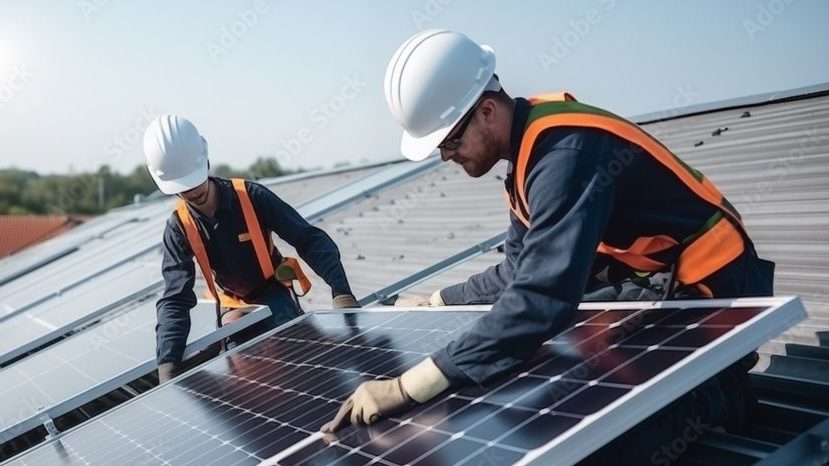
On-site solar allows companies to produce electricity directly at their facilities, cutting daytime reliance on the grid and lowering operating costs over time. With thoughtful planning, these systems provide predictable savings and greater control of future pricing. Businesses can choose to own the system and capture full lifecycle value or use flexible financing to access the benefits without heavy upfront capital.
2. Solar plus battery storage
Pairing solar with battery storage helps companies store excess energy and use it during outages or expensive peak periods. This improves resilience, limits production disruptions, and reduces costly demand charges. The financial value comes from a mix of avoided downtime, lower utility bills, and improved operational continuity, which turns storage into both a cost-control tool and a risk management asset.
3. Power Purchase Agreements (PPAs)
PPAs give enterprises access to solar without owning the system or paying upfront. A developer builds, operates, and maintains the project, while the business purchases power at an agreed price over time. This structure converts energy into a predictable operating expense and shields organizations from some of the volatility tied to traditional grid pricing, all while avoiding the burden of managing the asset internally.
4. Smart energy monitoring
Data-driven monitoring platforms track how energy is generated and consumed across facilities, highlight inefficiencies, and reveal opportunities for optimization. Leadership teams gain clearer visibility, better demand forecasting, and stronger governance. Small improvements at multiple sites compound into meaningful savings over time, while also strengthening accountability and reporting.
5. Scalable programs for multi-site enterprises
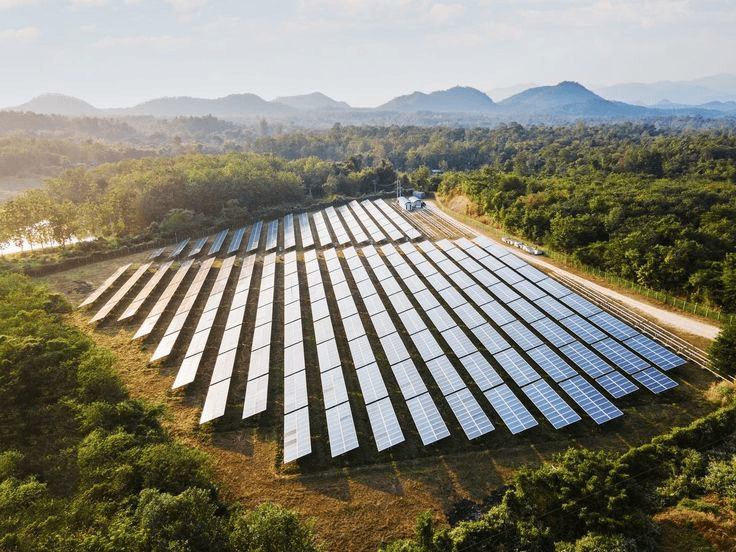
For companies with many locations, standardized solar programs bring consistency, speed, and economies of scale. Centralized planning, modular design, and coordinated procurement help reduce costs and create a repeatable deployment model. Over time, solar becomes part of the organization’s infrastructure roadmap, delivering portfolio-level savings and a more controlled energy strategy.
Executives often raise reasonable concerns about complexity, technology shifts, and financing commitments. Expert partners design modern solar programs with these issues in mind, utilizing modular systems, flexible funding options, and lifecycle support. Waiting can feel cautious, but it often means absorbing year after year of price uncertainty and grid dependency, while competitors lock in stability.
Energy independence is becoming a competitive advantage. As you plan the year ahead, where do you see the biggest opportunity, cost control or resilience?