
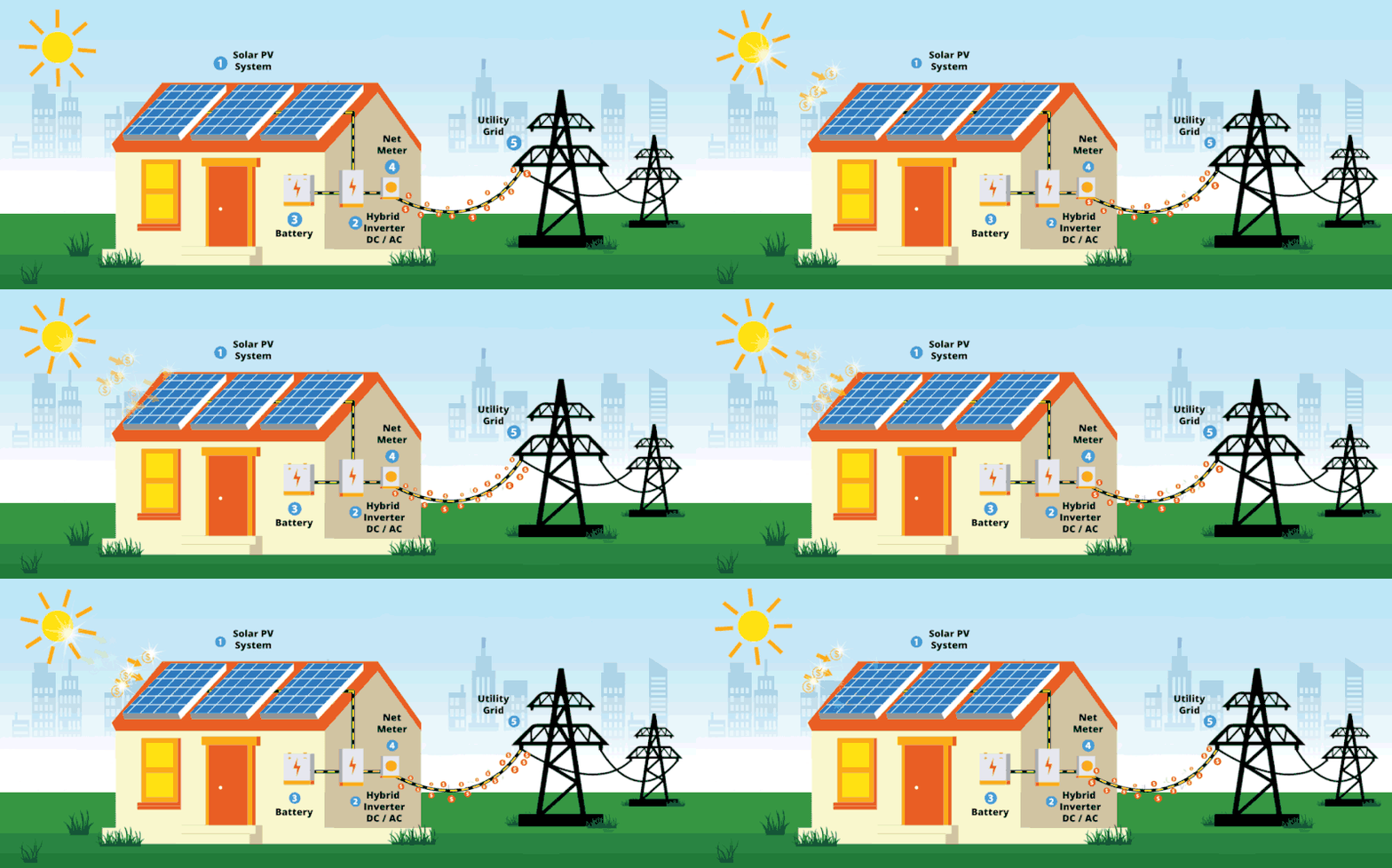
Solar power is often described as simple, but behind that simplicity is a well-engineered electrical process. Here is how energy from the sun is converted into usable electricity for homes and businesses.
1. Solar irradiation and photovoltaic cells: Solar panels are made up of photovoltaic (PV) cells, commonly manufactured from crystalline silicon. When sunlight, known as solar irradiation, strikes the PV cell, photons transfer energy to electrons within the semiconductor material. This process is called the photovoltaic effect.
As electrons are energized, they begin to move, creating direct current (DC) electricity. The amount of DC power generated depends on solar intensity, panel orientation, temperature, and system design.
2. DC power collection and protection: The DC electricity generated by multiple panels is combined through DC cabling and junction boxes. At this stage, protective components such as DC isolators and surge protection devices are used to ensure system safety and prevent electrical faults.
3. Inversion from DC to AC power: Since most appliances and equipment operate on alternating current (AC), the DC power is sent to an inverter. The inverter converts DC into AC while synchronizing voltage and frequency with the grid or internal system requirements.
Modern inverters also perform maximum power point tracking (MPPT), which continuously adjusts operating conditions to extract the highest possible power from the panels throughout the day.
4. Power distribution and load prioritization: Once converted to AC, electricity is distributed through the electrical panel to supply loads in real time. Solar power is consumed first before drawing energy from the grid or batteries. This reduces grid dependence and lowers electricity costs.
5. Energy storage and grid interaction: In hybrid or off-grid systems, excess energy is stored in battery banks for use at night or during outages. In grid-tied systems, surplus power can be exported to the grid where regulations allow. Battery management systems ensure safe charging, discharging, and long battery life.
6. Monitoring, performance, and efficiency: Monitoring systems track power generation, consumption, and system health. This data helps detect faults early, optimize performance, and ensure the system delivers the expected return on investment.
At SmartCloud Solar, every system is designed based on load analysis, site conditions, and financial goals. The focus is not just on installing panels but on delivering stable power, measurable savings, and long-term reliability.
The sun is a free resource. A well-designed system turns it into dependable electricity every day.