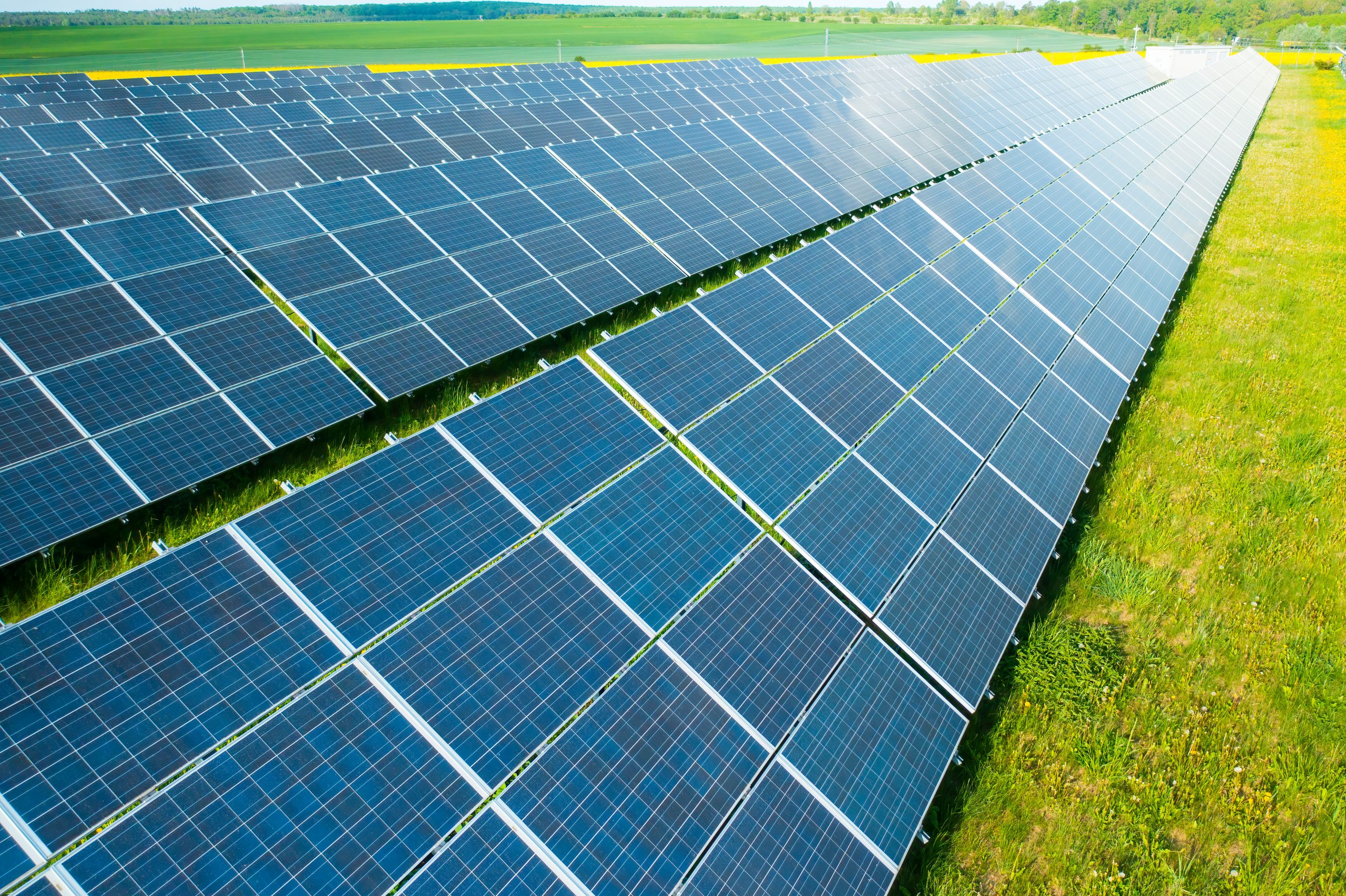
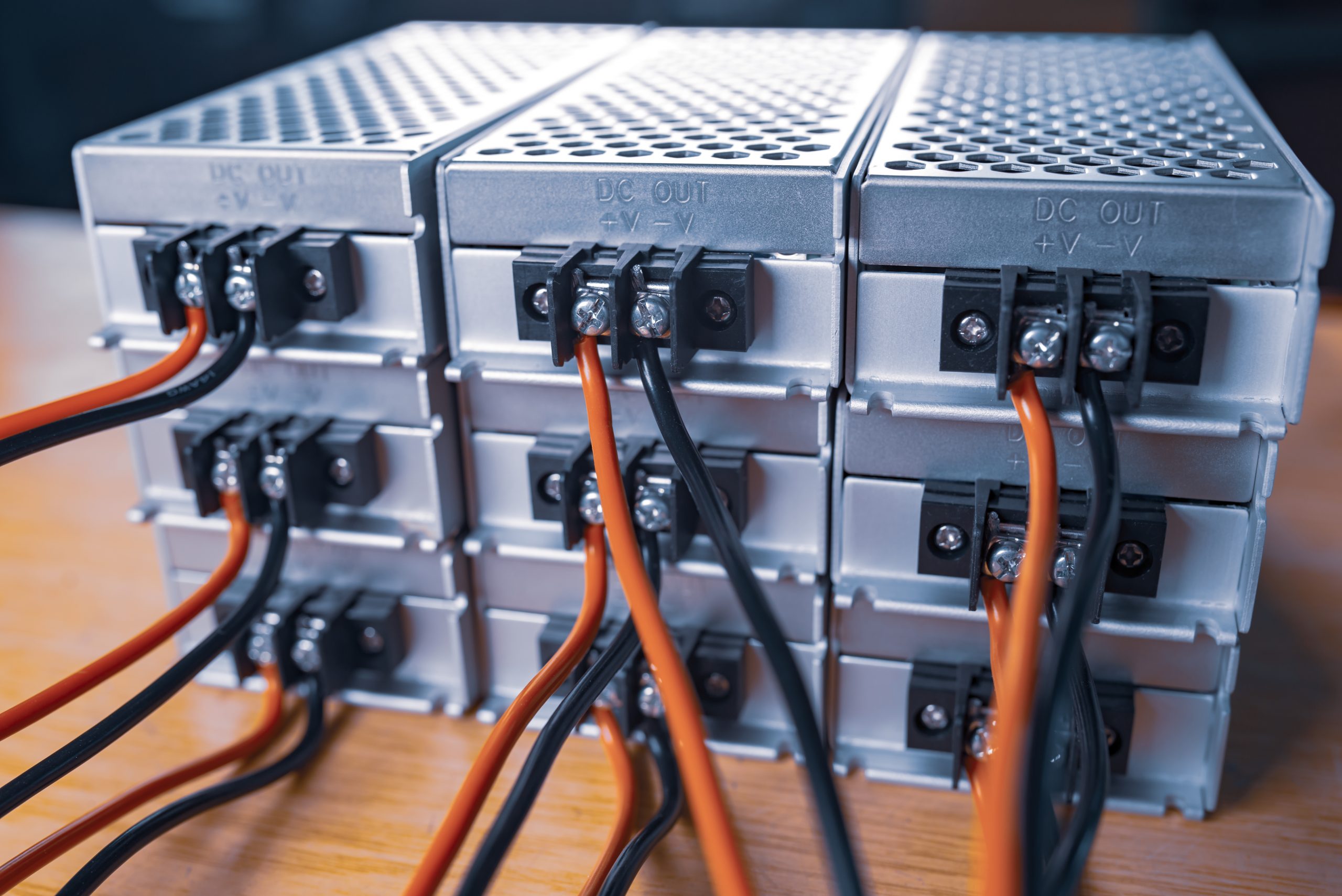
Power reliability is becoming one of the biggest energy concerns for businesses and institutions in Kenya. As electricity demand grows and grid interruptions continue to affect operations, many organizations are now looking beyond solar panels alone. The real shift is toward solar systems combined with battery storage.
Battery storage allows solar energy generated during the day to be stored and used when it is needed most, especially during evening hours or grid outages. For institutions such as schools, hospitals, and commercial facilities, this means operations can continue without disruption.
Many facilities that rely solely on grid power from Kenya Power experience downtime during outages. Critical systems such as lighting, ICT infrastructure, security systems, and essential equipment maintain power with a hybrid solar system that incorporates batteries.
Battery technology has also improved significantly recently. Modern lithium battery systems offer longer lifespans, faster charging, and smarter energy management. This allows solar installations to provide both efficiency and resilience.
For organizations planning long-term energy strategies, solar combined with battery storage is no longer just an alternative. It is becoming the standard approach for reliable and controlled energy supply.
At SmartCloud Solar, we design solar PV and battery storage systems tailored to the real energy needs of businesses and institutions. The goal is simple. Deliver dependable power that keeps operations running regardless of grid conditions.
As Kenya continues its transition toward renewable energy, solutions that combine solar generation with intelligent storage will play a key role in building a more resilient energy future.